


GLP-1s Are Changing Obesity Care: Lifestyle Medicine Will Define Long-Term Success
GLP-1 medications have transformed obesity treatment. They help reduce appetite, improve metabolic health, and provide many patients with the momentum needed to begin meaningful change.
But every obesity medicine physician knows the prescription is only the beginning.
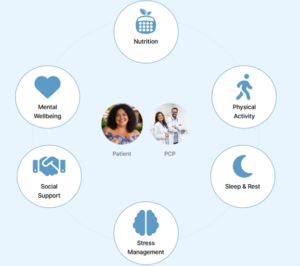
Whether a patient is taking a GLP-1 for six months or several years, long-term success depends on something medication alone cannot provide: sustainable lifestyle change. Nutrition, physical activity, sleep, stress management, and behavior change are essential components of comprehensive obesity care and the foundation for helping patients achieve lasting results.
As Medicare and other payers expand access to GLP-1 therapy, the conversation must expand as well. The next challenge in obesity care is not simply increasing access to medication. It is ensuring patients have the support needed to stay engaged, adhere to treatment, and achieve sustainable improvements in health.
Lifestyle Medicine Is the Difference Between Starting and Succeeding
GLP-1 medications can reduce hunger and promote meaningful weight loss, but patients still face important challenges throughout their treatment journey.
They need support navigating changes in appetite, meeting nutritional needs, preserving lean muscle, increasing physical activity, improving sleep, managing stress, and building habits that can last over time.
Without that support, patients may struggle with adherence, maintaining healthy behaviors, and sustaining the progress they have achieved.
Lifestyle medicine is not an alternative to GLP-1 therapy. It is a critical component of evidence-based obesity care that helps patients maximize the benefits of treatment.
The Opportunity for Physician Practices
As more practices incorporate GLP-1 therapy into their obesity treatment programs, the next question becomes:
How do we help patients succeed beyond the prescription?
Prescribing medication is only one part of managing a chronic disease. Supporting patients between visits with education, accountability, and lifestyle interventions is what helps transform short-term progress into long-term health outcomes.
For many practices, the challenge is not recognizing the importance of lifestyle medicine. The challenge is having the infrastructure, resources, and capacity to deliver it consistently at scale.
The practices that will lead the next era of obesity care will be those that combine effective pharmacotherapy with comprehensive lifestyle support.
A New Era of Comprehensive Obesity Care
Healthcare is increasingly moving toward models that recognize chronic conditions require ongoing support, not isolated interventions.
Obesity is no different.
The future of obesity care will require integration: combining evidence-based medications with lifestyle medicine approaches that address the daily behaviors influencing long-term health.
As GLP-1 therapy becomes more widely adopted, lifestyle medicine will move from a complementary service to an essential component of successful obesity care.
How Viora Supports the Future of Obesity Care
At Viora Health, we believe the strongest outcomes happen when medication and lifestyle medicine work together.
We partner with healthcare organizations that recognize the need to support patients beyond the prescription and provide a more comprehensive approach to obesity management.
Through our work with physician practices, federally qualified health centers, and health systems, we have seen firsthand that patients benefit when clinical treatment is paired with structured lifestyle support designed to improve engagement, adherence, and long-term health.
Our goal is simple: help organizations expand access to comprehensive obesity care while allowing providers to focus on what they do best—caring for their patients.
Learn more about how organizations are incorporating lifestyle medicine into obesity care through our Healthcare Partnerships, and Case Studies resources.
Looking Ahead
The future of obesity care is not about choosing between medication and lifestyle medicine.
It is about bringing them together.
GLP-1 medications may create the opportunity for change, but lifestyle medicine helps patients turn that opportunity into lasting health.
The organizations that recognize this shift will be best positioned to improve outcomes, support their patients, and lead the next generation of obesity care.




 Objective: Received referrals from a community health center (CHC) to enroll eligible pre-diabetic participants in the National Diabetes Prevention Program (NDPP) based on their ADA risk score. Viora Program was composed of 26 virtual app-supported , educator-led group sessions over the course of one year. Impact: Patients attended on average 80% of all sessions and 75% of patients remained in the program at the end of one year. Patients lost weight, improved their activity minutes per week, and improved their blood pressure and A1C levels. They reported feeling more energized, and gaining the required structure and support to gain healthy habits and stay motivated over the year-long period. Participants formed a deep relationship-based community. Recognition: Submitted one year of weekly data to the CDC to gain CDC’s Full Recognition to Prevent and Delay Type 2 Diabetes credential.