

How Clinical Practices Can Scale Lifestyle Medicine Without Adding Clinical Headcount
Most clinic leaders want to do more with lifestyle medicine. The evidence is strong, the patient need is clear, and the chronic disease burden in their panels is not shrinking. The real constraint is capacity. There are only so many hours in a physician’s day, and traditionally adding a new program meant hiring additional staff to run it.
That assumption is worth questioning.
Why the Traditional Model Breaks Down
Lifestyle medicine programs inside health systems often require substantial clinical time — physician counseling, dietitian consultations, and health educator sessions. When multiplied across a panel of Medicare patients managing pre-diabetes or Type 2 diabetes, the numbers quickly become unrealistic. Something inevitably gets deprioritized, and it is usually prevention.
Federally Qualified Health Centers (FQHCs) face an even sharper challenge. They serve patients with some of the highest levels of need while operating with limited staffing resources. The patients who would benefit the most from intensive lifestyle support are often the ones who require the most time and attention under standard clinical workflows.
What the Outcomes Look Like in Practice
Viora Health’s CDC-recognized Diabetes Prevention Program achieved an average session attendance rate of 80% and a one-year retention rate of 70%. Participants improved key health indicators including A1C levels, blood pressure, and overall physical activity while reporting stronger feelings of support throughout the program.
In an NIH-funded randomized controlled study, Viora Health’s tech-enabled and human-supported care model produced significantly higher engagement compared to a self-directed program — 76.1% versus 58.9% (p < 0.001).
Additionally, an American Heart Association–funded study focusing on patients facing documented social barriers found that 100% of identified social factors were resolved within six months.
You can review the full case studies here:
Research publications and supporting evidence are available at:
The Bottom Line
What makes this approach work is the right partnership between clinical organizations and program operators. Clinics already have the patient relationships, electronic health record infrastructure, and clinical oversight capacity needed to support care. When paired with a specialized program operator that manages program delivery, patient engagement, and data reporting, the system becomes far more scalable.
The clinic does not need to transform itself into a lifestyle medicine program. And the program operator does not need to become a clinic. Each organization contributes what the other cannot easily replicate.
If your organization is managing a growing chronic disease burden among Medicare patients and looking for a way to address it without increasing clinical headcount, we would welcome a conversation.
Contact us at:



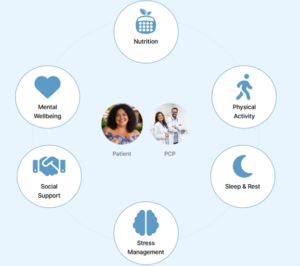
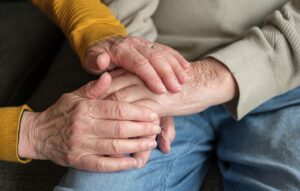


 Objective: Received referrals from a community health center (CHC) to enroll eligible pre-diabetic participants in the National Diabetes Prevention Program (NDPP) based on their ADA risk score. Viora Program was composed of 26 virtual app-supported , educator-led group sessions over the course of one year. Impact: Patients attended on average 80% of all sessions and 75% of patients remained in the program at the end of one year. Patients lost weight, improved their activity minutes per week, and improved their blood pressure and A1C levels. They reported feeling more energized, and gaining the required structure and support to gain healthy habits and stay motivated over the year-long period. Participants formed a deep relationship-based community. Recognition: Submitted one year of weekly data to the CDC to gain CDC’s Full Recognition to Prevent and Delay Type 2 Diabetes credential.